Agricultural exports are the economic backbone of Latin America and the Caribbean. Together, these regions have become the world’s leading net exporter of food products. Since 2004, the agro-export sector has shown remarkable growth, with regional goods exports increasing by an estimated 6.4%. Main export products include soybeans, coffee, palm oil, rice, corn, cocoa, sugar, blueberries, avocados, grapes, bananas, nuts, cherries, fresh vegetables, and ornamental flowers.
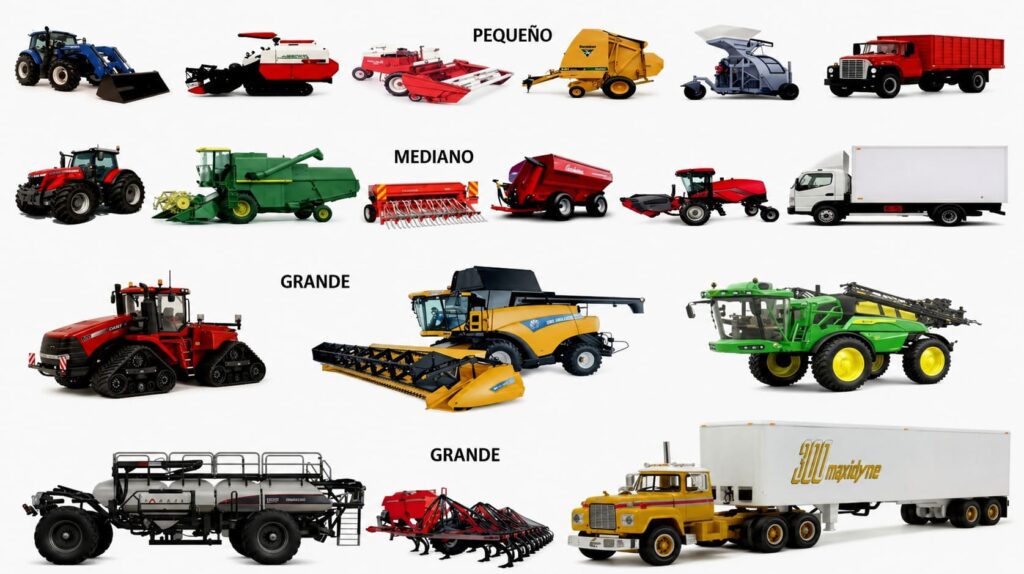
From Mexico to Chile, the rural population has mastered a wide range of conventional and organic farming techniques in both open fields and greenhouses — from artisanal agriculture to modern semi-automated farming systems. Argentina and Brazil have the highest level of agricultural mechanization in the region. Their large machinery fleets are modern and comparable to those used in Europe and North America for daily precision agriculture operations.
In the global poultry export market (chickens, hens, and eggs), Latin America accounts for 17% of production, while in beef production the region represents nearly 91%, with Brazil and Argentina once again leading the industry.
We can therefore conclude that Latin America supplies demanding markets across North America, Europe, and Asia. Agricultural and livestock activities are carried out across 193 million hectares using technology that ranges from modern to artisanal methods. Furthermore, the Latin American farmer is not only labor for planting and manual harvesting — tasks often supported seasonally in Europe and Oceania — but also a skilled worker capable of performing efficiently in highly productive, technologically advanced, and competitive agricultural environments.
To learn more, click here